

A prestigious address and elegant interiors do not establish whether a home is worth its asking price. A reliable assessment combines comparable properties, usable space, building condition, legal documentation and the total cost of ownership. Each element can reveal something that photographs and marketing descriptions cannot.
Before negotiating for a luxury residence in Madrid, establish what you need from the property, gather evidence about its value and identify uncertainties that could change your decision. The aim is not to find a perfect home but to understand precisely what you would be buying and what financial commitments you would accept.
Define What the Property Must Deliver
Start by separating essential requirements from desirable extras. A primary residence may need convenient transport, practical storage and comfortable everyday circulation. An occasional home might place greater emphasis on security, low-maintenance finishes and ease of access during short visits. An investment purchase introduces different questions about rental demand, operating costs and permitted use.
Write down your non-negotiable requirements before viewing properties. These might include step-free access, secure parking, a minimum number of usable bedrooms or a genuinely private outdoor area. Then identify features you would accept as compromises. This prevents attractive finishes or an impressive entrance from overshadowing fundamental limitations.
Judge the Street and Building, Not Just the District
Madrid neighbourhoods such as Salamanca, Chamberí, Chamartín and Centro contain homes with very different surroundings and building characteristics. A district name alone cannot describe traffic exposure, privacy, sunlight or the convenience of a specific address.
Walk the immediate streets and, when possible, revisit at different times. Notice delivery activity, nearby restaurants, traffic noise, pavement conditions and access to transport. From inside the property, assess whether surrounding buildings obstruct daylight or overlook principal rooms and terraces.
Orientation matters as well. A bright room during a morning visit may behave differently later in the day. Check whether bedrooms, living areas and outdoor spaces receive light when you are most likely to use them. Upper floors can offer greater separation from street activity, but lift access and roof condition deserve attention.
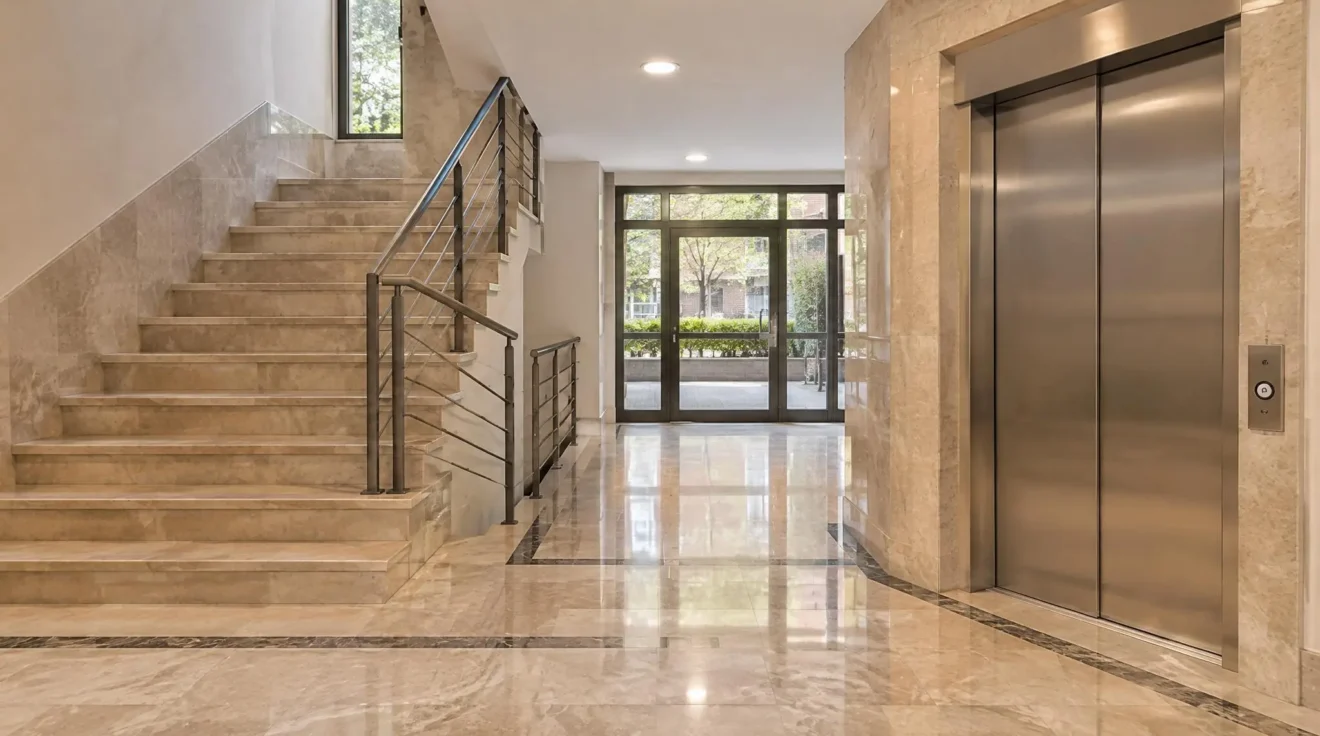
Finally, examine the building itself. The entrance, shared circulation areas and maintenance of common spaces provide useful observations, although they cannot establish the condition of concealed structures or installations.
Establish a Credible Price Comparison
When comparing a renovated Salamanca apartment with other Madrid homes, begin with properties that share its location, size and essential features. John Taylor’s Real estate for sale or rentals in Madrid includes residential listings with locations, advertised prices and property characteristics that can help organise this comparison. Treat those prices as seller expectations rather than evidence of completed transactions.
A useful comparison set should contain properties of similar type, condition and immediate location. A penthouse with a large terrace is not directly equivalent to a lower-floor apartment without outdoor space, even if their advertised floor areas match. Likewise, extensive renovation requirements can affect what a buyer reasonably offers.
| Criterion | Compare consistently | Investigate differences |
|---|---|---|
| Location | Similar streets and surroundings | Noise, access and privacy |
| Floor area | Same measurement basis in m² | Usable space, terraces and annexes |
| Building | Comparable type, age and upkeep | Lifts, façades and communal works |
| Features | Similar condition and amenities | Orientation, parking and outdoor space |
| Price | Asking price per comparable m² | Listing history and verified sales evidence |
The basic calculation is straightforward. In a hypothetical example, a property advertised at €2,400,000 with 200 m² of comparable area has an asking price of €12,000/m² (€2,400,000 ÷ 200). This is an illustration of the calculation, not a Madrid market average. The result is meaningful only if other properties use an equivalent area definition.
Comparable asking prices offer a starting point, but they are not the only way to assess a home’s value. Broader real estate valuation methods include comparison, cost and income approaches, which address different questions about market alternatives, replacement costs or potential rental income. Advertised prices can help identify comparable properties, but they do not establish the amounts ultimately paid. Where reliable completed-sale evidence is available through an independent valuation professional, examine how comparable the transactions are and what limitations affect the evidence. Without such evidence, treat the estimate as provisional rather than a certified market value.
Check Space, Layout and Luxury Features
One of the most important checks is what the advertised surface area actually includes. Spanish property descriptions may distinguish constructed area from usable interior space. A terrace, storage room or parking space should not automatically be treated as equivalent to indoor living area.
Request floor plans and clarify the measurement basis. Consider whether corridors consume substantial space, whether bedrooms accommodate the furniture you need and whether living areas connect comfortably to outdoor spaces. Compare the advertised description with available registry or cadastral records when relevant, and ask for professional clarification if discrepancies affect the decision.
Luxury amenities deserve the same practical scrutiny. A terrace may be visually impressive but difficult to furnish or exposed to neighbouring windows. Views, ceiling height, architectural details, natural light, privacy and parking arrangements matter according to their actual usefulness, not a presumed automatic price premium.
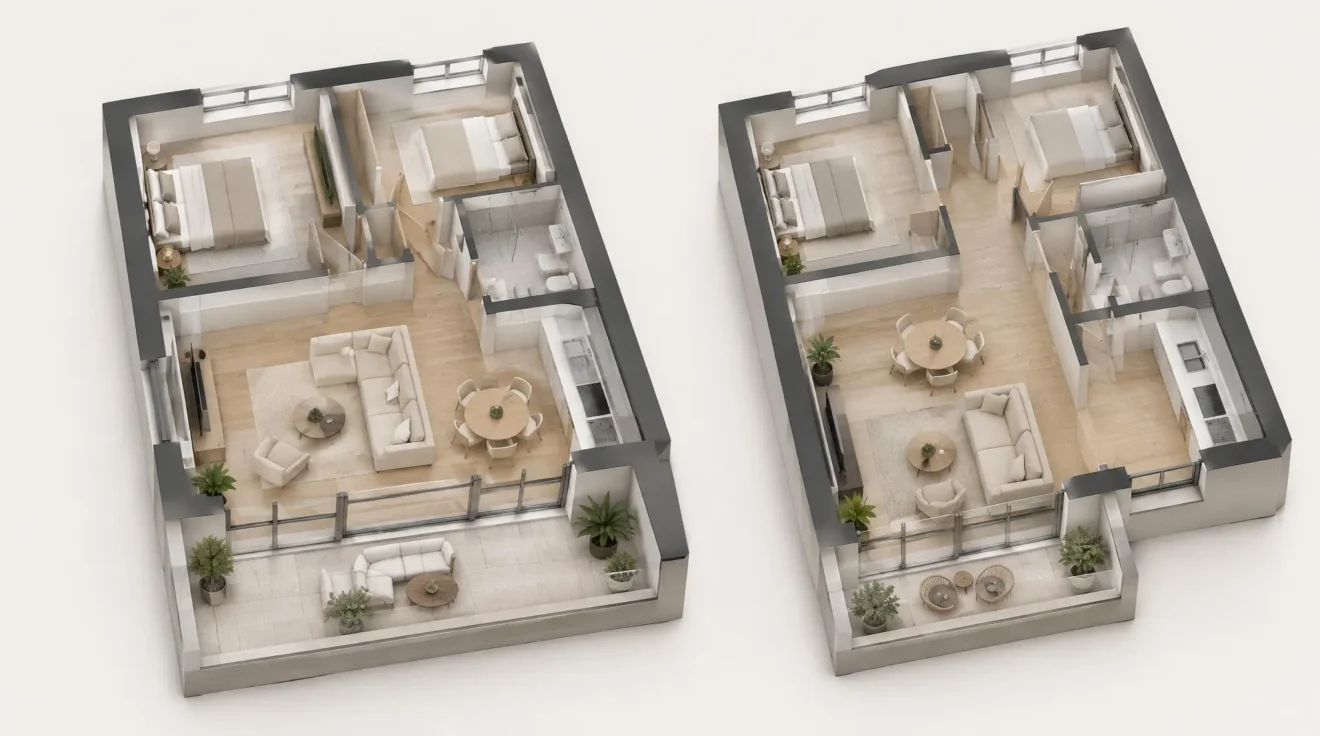
Look closely at finishes without confusing appearance with construction quality. Check whether doors close properly, fixtures feel secure and materials have been installed neatly. Attractive photographs may conceal awkward circulation or poorly maintained features that become obvious during a careful visit.
Inspect the Home and the Building’s Condition
A recent renovation does not necessarily establish the condition of a property’s installations or structure. During a viewing, identify visible issues and record questions rather than attempting to diagnose concealed defects.
- Record staining, cracks or condensation without assuming their cause.
- Check accessible windows, doors, ventilation and climate controls.
- Observe daylight and noise with windows open and closed where practical.
- Inspect communal corridors, lifts, façades and visible roof areas.
- Request maintenance records and information about planned communal works.
- Arrange independent technical assessment when significant uncertainties remain.
Ask when heating, cooling, electrical and plumbing systems were installed or last serviced. In an apartment building, anticipated roof, façade or lift works can be financially significant even when the individual residence is in excellent condition.
Fresh finishes cannot reveal every structural or installation problem. The UK government’s independent property buying advice for Spain recommends professional checks and independent assistance. Where a viewing raises substantial doubts, a qualified technical assessment is more reliable than guessing repair costs.
Verify Ownership and Legal Restrictions
Before committing to a purchase, establish who owns the property and whether registered mortgages, charges or restrictions affect it. The Spanish administration’s guidance on Spanish property registry checks explains the information available through a nota simple, an important starting point for independent legal review.
Compare the property’s description with relevant registry and cadastral information, particularly where floor area, terraces, storage rooms or parking are material to the price. Ask whether alterations have the permissions required in the circumstances. For apartments, investigate community obligations, outstanding payments, restrictions and approved or anticipated building works.
What a nota simple cannot settle: It provides useful information about registered ownership and charges, but it does not replace checks on physical condition, alterations, permissions, community obligations or the purchase contract.
An independent lawyer familiar with Spanish property transactions can review documentation, clarify unresolved issues and explain contractual consequences. This is particularly important before signing reservation, deposit or other potentially binding documents. The purpose is to understand the actual commitments, not to assume that every document called an offer is automatically reversible.
Budget Beyond the Asking Price
The tax calculation depends on the type of transaction, not simply the home’s advertised price. The Spanish Tax Agency’s explanation of Spanish property purchase taxes distinguishes qualifying new-build sales generally subject to VAT from subsequent transfers generally subject to regional ITP, making the property’s tax classification an essential budget check.
For qualifying new residential sales, the general VAT rate stated by the agency is 10%, subject to exceptions and the actual transaction conditions. Resale properties generally follow the applicable regional ITP rules. Since Madrid is part of a specific autonomous community, confirm its relevant rate, the taxable basis and any applicable relief before calculating the final amount.
Add legal and notarial expenses, property registration, financing-related costs where applicable, independent inspections and any immediate renovation. Then consider recurring commitments such as property taxes, community charges, insurance and maintenance. Distinguish costs payable on acquisition from those that recur during ownership.
A property that fits the purchase budget may still be uncomfortable to own if unavoidable running costs exceed expectations. Review the figures alongside your intended use and retain a contingency for expenses that cannot yet be established precisely.
Decide What to Offer—and When to Walk Away
Begin with the most comparable properties, using consistent floor-area definitions and accounting for documented differences in layout, condition, outdoor space, privacy and building costs. Separate expenses that can reasonably be estimated, such as identified repairs, from personal preferences and risks that cannot yet be quantified. Factor identifiable costs into the total budget without counting the same issue twice as both a price reduction and an additional expense. Compare the resulting assessment with your financing and maximum affordable commitment. Where missing evidence could materially change the valuation, seek clarification before deciding on an offer rather than assigning an arbitrary discount.
- Proceed: The home meets essential requirements, its value is reasonably supported and key documentation is satisfactory.
- Request clarification: Important questions about floor area, ownership, permissions or condition remain unresolved.
- Adjust the proposed price: Comparable evidence or identifiable costs justify a different valuation.
- Walk away: Material risks cannot be resolved, or the total commitment exceeds your financial limits.
A lower offer is not automatically justified merely because a property has remained advertised for some time. The strongest position is an evidence-based figure and a clear understanding of which conditions must be satisfied before commitment.
Once the evidence supports proceeding, turn the evaluation into a proposed price, a financing plan, a timetable and the conditions that still need to be satisfied. A structured purchase offer checklist can help organise these points before negotiations begin, but it does not establish the contractual effects of an offer under Spanish law. Have an independent lawyer familiar with Spanish property transactions review the proposed documents, their conditions and their legal implications before accepting any binding commitment.